The Real Cost of a Meeting Nobody Documents
Think about the last time someone said "I'll send that over by Friday" in a meeting. Did they? Did anyone follow up? Did you even remember to check? This is not a people problem. It is a systems problem. Small and mid-sized businesses run on meetings, whether that is a sales discovery call, a client check-in, or a leadership huddle, and almost none of those meetings produce a clean record of what was decided and who owns what next. The action items live in a notebook, a half-finished email draft, or the back of someone's mind. Then life happens, and they disappear. For a business with a lean team, every dropped commitment has a cost. A sales lead that never gets a proposal. A customer issue that nobody circles back on. A project that stalls because one person thought another person was handling it. The problem compounds quietly until it becomes a pattern your clients notice before you do.
What AI Meeting Tools Actually Do
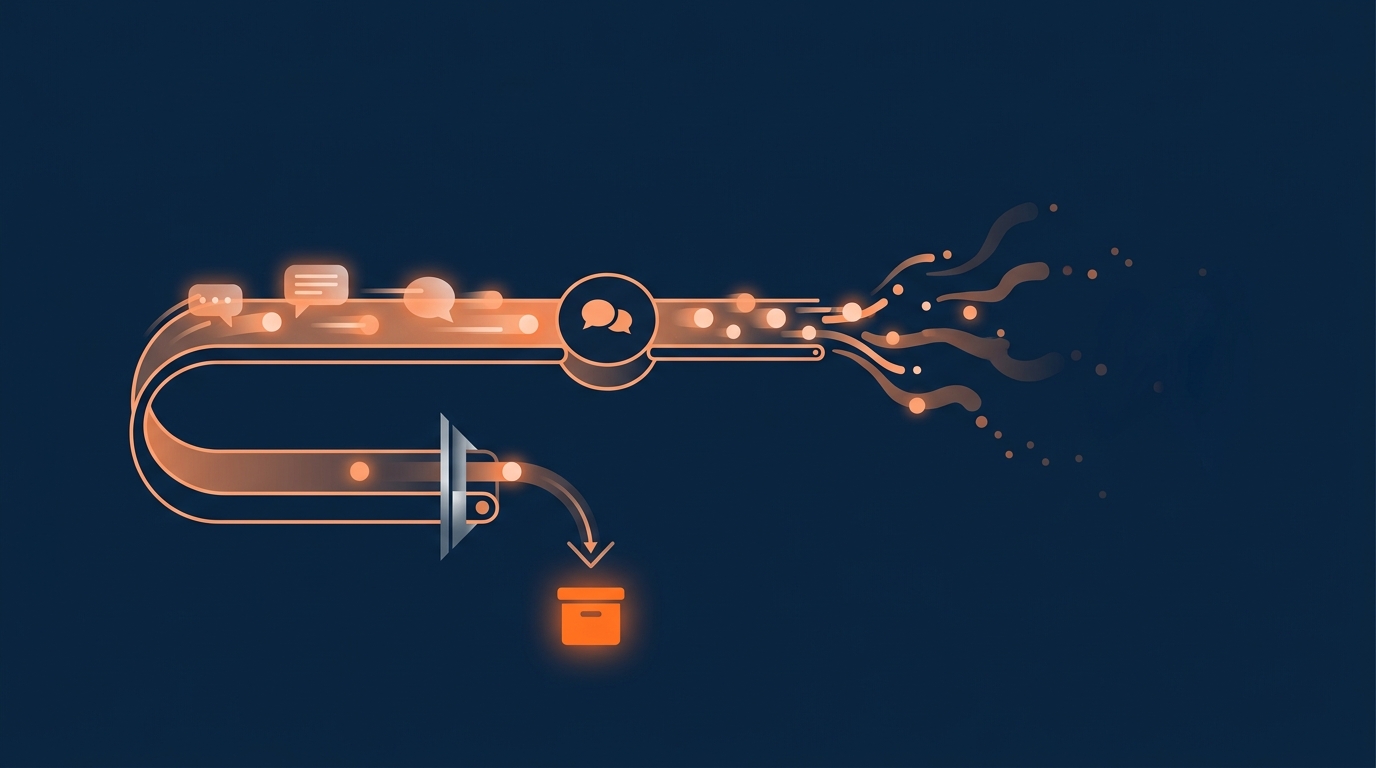
AI meeting assistants are not fancy transcription apps. The good ones do something more useful: they turn conversation into structured work. Here is how it works. The tool joins your Zoom, Google Meet, or Teams call, or processes a recording after the fact. It transcribes the audio, then runs it through a language model that does the hard part: pulling out decisions, flagging risks, and identifying action items with owners and due dates. When someone says "I'll send the proposal tomorrow," the system does not just capture the words. It creates a task, assigns it to the person who said it, and sets a due date. From there, the better platforms push those tasks directly into whatever your team already uses, whether that is a project management tool, a CRM, or a shared task list. No manual copy-paste. No relying on someone to remember to update the board after the call.
Where This Actually Pays Off
The use cases that work best for small and mid-sized businesses tend to cluster around three areas. Sales and customer-facing teams see the clearest return. When your AI assistant captures pain points, commitments, and next steps from every discovery call and check-in, your team can follow up faster and more consistently. The AI can even draft the follow-up email before you finish your coffee. For a small sales team managing a lot of accounts, that kind of speed matters. Agency and consulting teams benefit from consistency. When every client meeting produces the same clean summary and task list fed into a shared project board, you stop relying on whoever happens to be the most organized person in the room. Client expectations get documented. Deliverables do not get contested. Misunderstandings decrease. Leadership and internal teams get visibility. AI tools can surface outstanding action items before the next recurring meeting, which makes your weekly status calls sharper and more honest. Instead of going around the room asking what everyone is working on, you already know what was promised and what is still open.
The Shift From Notes to Closed Loops
Early versions of these tools were essentially smart transcription. Useful, but limited. What is happening now is more interesting. The better platforms are moving toward closing the loop entirely. Not just capturing what was said, but ensuring that what was said turns into what gets done. Some tools generate suggested agendas for your next meeting based on items that never got resolved. Others surface patterns, like tasks that keep slipping past their due dates, or commitments that consistently pile up on the same overloaded person. That kind of visibility gives you something worth acting on, not just a document to file and forget.
How to Start Without Overcomplicating It
The businesses that get the most out of AI meeting automation do not try to automate everything at once. They pick one high-value meeting type, usually client calls or leadership check-ins, and get that right first. The process is simpler than most people expect. Announce that you are recording. Confirm during the meeting that action items are being assigned, not just discussed. Configure where the outputs go so the summary lands somewhere people actually look, not a folder nobody opens. Then spend a couple of weeks reviewing what the AI produces, correcting misattributed tasks, and adjusting until the output is genuinely useful. The goal is not perfection on day one. The goal is making your meetings produce something durable.
Meetings Should Generate Work, Not Mysteries
The administrative drag of running a business on verbal agreements and scattered notes is real, and it gets worse as you grow. AI meeting automation does not fix your culture or make bad meetings good. What it does is make sure that whatever value exists in your meetings actually makes it into the work. Decisions get recorded. Tasks get assigned. Follow-up happens. And you stop spending mental energy trying to reconstruct what everyone agreed to last Tuesday.
Free, about two minutes
How much of your busywork could actually be automated?
Answer eight quick questions and get a personalized PDF: your automation score, your top three opportunities, and what they are worth in hours and dollars. No sales call required.
Get your AI Score